April 16, 2026
If you think about nearly any structure around you—driveways, office buildings, bridges, or even patios—there’s a good chance concrete played a major role. It’s one of those materials people rarely think about until something cracks, shifts, or needs replacing. Behind every successful project, there’s usually a skilled concrete contractor making sure everything is done right the first time. Their work goes far beyond pouring a slab; it’s about planning, precision, and long-term performance.
Modern construction depends heavily on reliability, efficiency, and durability, and concrete checks all three boxes. But the material alone isn’t what guarantees success—it’s how it’s handled. A knowledgeable concrete contractor brings together technical skill, problem-solving ability, and coordination with other trades to ensure projects run smoothly. Understanding their role gives you a clearer picture of what actually goes into building something that lasts.
Understanding The Evolution of Concrete and Shaping Modern Building
Concrete has come a long way from its early days. Ancient civilizations used simple mixtures of lime and volcanic ash to create durable structures, many of which still stand today. That foundation of durability is what made concrete such a valuable material in modern construction. Over time, improvements in composition and application turned it into one of the most versatile materials available.
As construction demands grew, so did the need for stronger and more adaptable concrete. Reinforced concrete changed everything by allowing structures to handle tension as well as compression. That shift opened the door to taller buildings, longer bridges, and more creative architectural designs. A modern concrete contractor understands these advancements and knows how to apply them based on the needs of each project.
Today, innovation continues to shape how concrete is used. From high-performance mixes to self-healing materials, the industry keeps evolving. These developments aren’t just about strength—they’re about efficiency, sustainability, and long-term value. That’s why the role of a concrete contractor has expanded alongside the material itself.
Managing The Planning and Executing Concrete Projects
Every successful project starts with a solid plan, and that’s especially true with concrete. Before any material is poured, a concrete contractor spends time reviewing blueprints, understanding specifications, and identifying potential challenges. This early stage is where costly mistakes are avoided and expectations are clearly defined.
Planning also involves budgeting and scheduling. Concrete work is time-sensitive, and delays can impact the entire construction timeline. A skilled contractor balances material costs, labor, and equipment to keep everything on track without sacrificing quality. It’s a constant process of adjusting and refining to match real-world conditions.
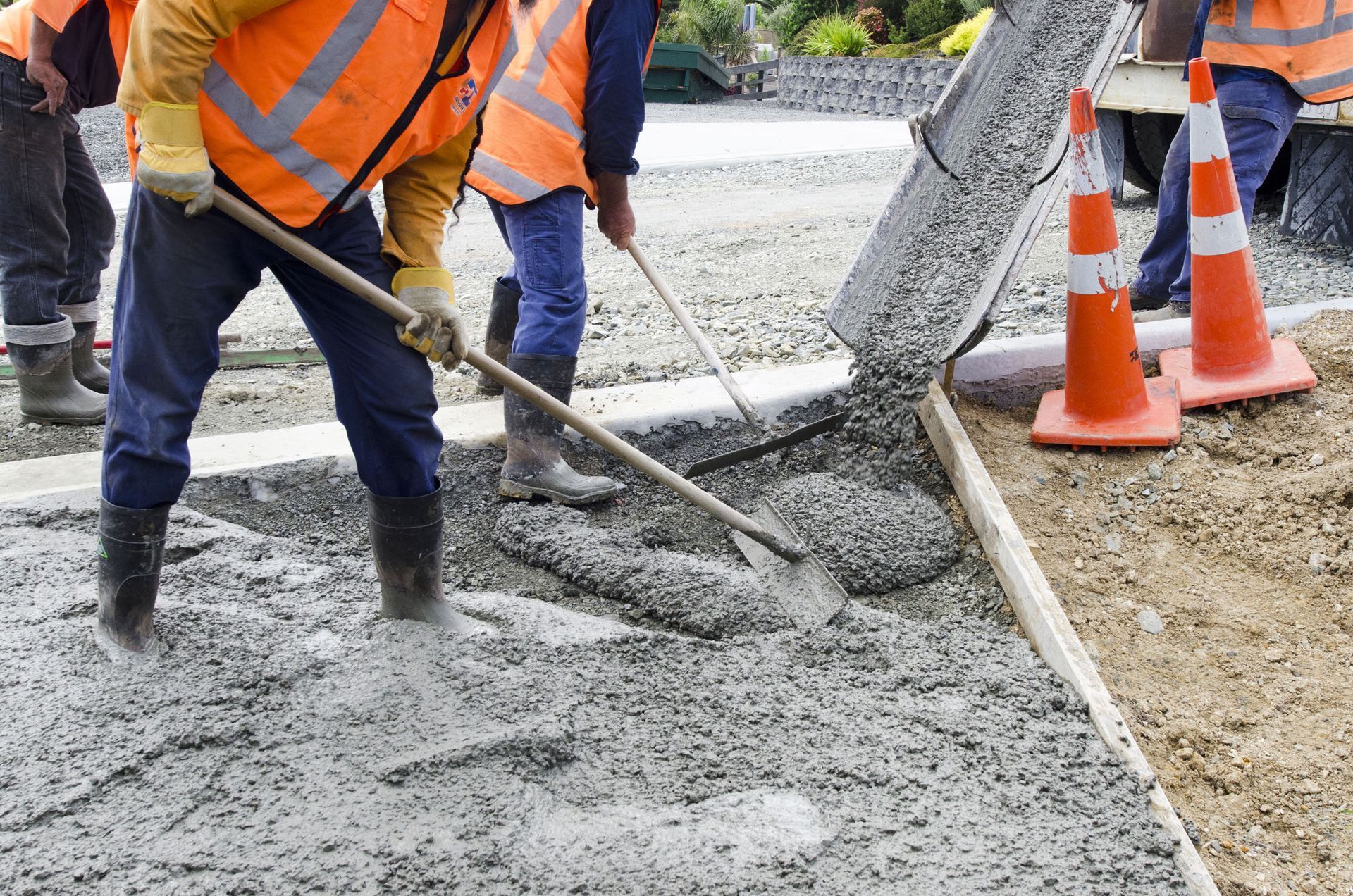
Execution is where everything comes together. From site preparation to pouring and finishing, each step requires attention to detail. Weather conditions, curing times, and material consistency all play a role in the final result. When managed properly, the outcome is a structure that performs exactly as intended for years to come.
Coordinating The Teams and Ensuring Project Compliance
Construction is rarely a one-person job. A concrete contractor works closely with architects, engineers, and other trades to make sure everything aligns. That coordination is what keeps projects moving forward without unnecessary setbacks. Clear communication helps prevent issues before they become expensive problems.
Compliance is another critical piece of the puzzle. Building codes and safety regulations exist for a reason, and ignoring them isn’t an option. Contractors stay updated on these requirements to ensure every project meets local and national standards. This protects not only the structure but also the people using it.
There’s also a logistical side to coordination that often goes unnoticed. Scheduling deliveries, managing crews, and aligning timelines across different teams takes experience. When everything runs smoothly, it’s usually because someone behind the scenes is keeping all the moving parts in sync.
Applying The Skills and Adapting to Industry Demands
Being a concrete contractor requires more than just hands-on experience. Technical knowledge plays a huge role, especially when dealing with different types of concrete and structural requirements. Understanding how materials behave under various conditions helps ensure long-term durability.
Leadership and project management skills are just as important. Contractors are often responsible for guiding teams, making decisions under pressure, and keeping projects within budget. It’s a balance between big-picture thinking and attention to detail, which isn’t always easy but is essential for success.
Technology has also become a major part of the job. From advanced equipment to project management software, modern tools help improve accuracy and efficiency. Contractors who adapt to these changes are better positioned to meet today’s construction demands and deliver higher-quality results.
Integrating The Innovations and Improving Construction Methods
Innovation is reshaping how concrete is used in construction. High-performance concrete offers greater strength and durability, making it ideal for demanding environments. Self-healing concrete is another advancement that reduces maintenance by repairing small cracks on its own.
Automation is also making an impact. Equipment like laser screeds and robotic finishing tools improve consistency and reduce labor demands. These technologies help contractors complete projects faster while maintaining a high level of precision.
Sustainability is becoming a key focus as well. Many projects now prioritize eco-friendly materials and practices, not just for compliance but for long-term performance and cost savings. According to the National Ready Mixed Concrete Association, more than 80% of residential and infrastructure projects across the U.S. rely on materials supplied by local concrete providers, which highlights how deeply embedded concrete is in modern construction. A forward-thinking concrete contractor understands how to incorporate these solutions without compromising durability, efficiency, or overall project quality.
Overcoming The Challenges and Navigating Industry Pressures
Despite its importance, concrete work comes with its share of challenges. Supply chain disruptions can delay projects and increase costs, making planning more complicated. Contractors often need to think ahead and have backup plans in place to keep things moving.
Regulations can also be complex, especially when projects span multiple jurisdictions. Staying compliant requires ongoing education and attention to detail. It’s not just about meeting requirements—it’s about avoiding delays and maintaining trust with clients.
Labor shortages are another ongoing issue. Finding skilled workers isn’t always easy, which puts pressure on contractors to train and retain talent. Even with these challenges, experienced professionals find ways to adapt and deliver consistent results.
Demonstrating The Value and Delivering Long-Term Results
The true value of a concrete contractor shows up over time. A well-executed project doesn’t just look good on day one—it continues to perform years down the line. That reliability is what makes concrete such a trusted material in construction.
From large infrastructure projects to residential work, contractors play a key role in shaping the built environment. Their expertise ensures that structures are not only functional but also safe and durable. It’s a responsibility that requires both skill and accountability.
When you step back and look at the bigger picture, it’s clear that concrete contractors are essential to modern construction. They bridge the gap between design and reality, turning plans into structures that stand the test of time.
Concrete may seem simple on the surface, but the work behind it is anything but. From planning and coordination to execution and innovation, every step requires careful attention and expertise. A skilled concrete contractor doesn’t just complete a job—they help ensure that the final result is built to last.
As construction continues to evolve, the role of the concrete contractor will only become more important. Their ability to adapt, solve problems, and deliver consistent quality makes them a cornerstone of the industry. If you’re planning a project and want results you can rely on, reach out to Andre Concrete & Excavation.